The 100% Tariff: A New Line in the Sand for Protectionism
The latest developments in the US-China trade standoff are sending shockwaves across global markets. On October 10th, US President Donald Trump announced two extremely aggressive moves: a plan to impose 100% supplementary tariffs on imports from China starting November 1st, and the implementation of measures to control the use of US-made advanced software in China. Coupled with this was the possibility of canceling the scheduled APEC meeting with President Xi Jinping.
These announcements are more than just typical escalation; they signal a fundamental shift in the economic conflict between the two superpowers, evolving from a dispute over trade deficits to a strategic confrontation over technology and the global order.
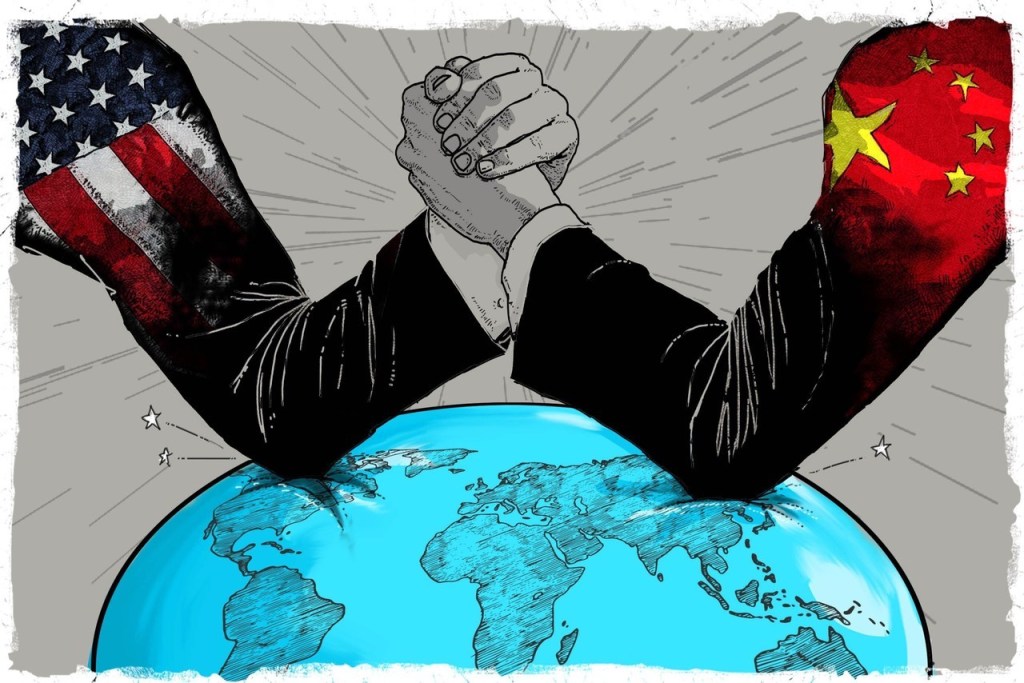
* Why US shouldn’t seek regime change in China – Asia Times
Software Control: Elevating the Battle to the Tech Front
The measure controlling the use of advanced US software in China is arguably the most significant long-term strategic move.
- The Goal of “Decoupling”: This action demonstrates the US’s determination to accelerate technological “decoupling,” especially in strategic sectors like artificial intelligence, semiconductors, and high-end manufacturing, where China still relies on US-designed technology and software.
- Supply Chain Implications: This restriction will create major dislocations in the global technology supply chain, forcing multinational companies to build dual supply chains that are independent of China. This presents a historic opportunity for other nations, particularly manufacturing hubs in Southeast Asia.
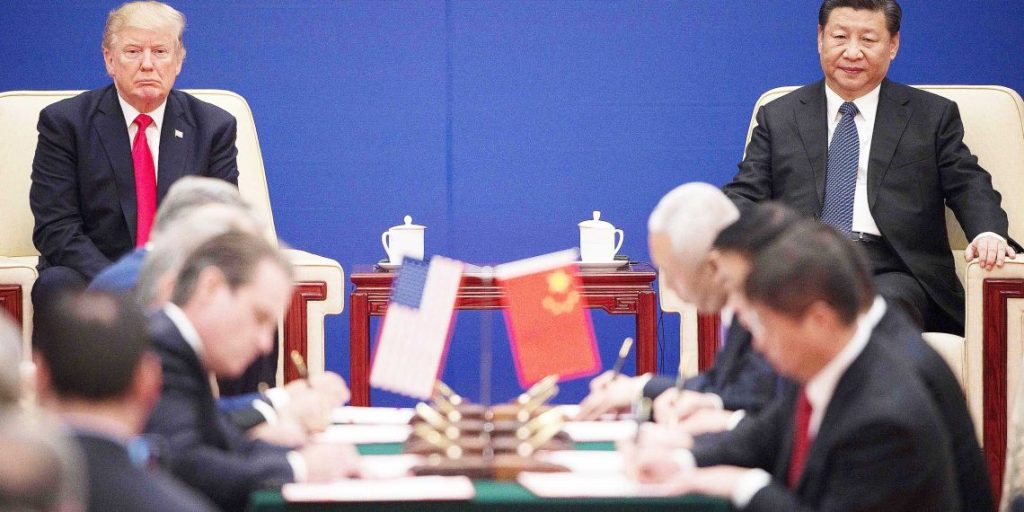
*Cạnh tranh kinh tế Mỹ-Trung đang đi vào con đường nguy hiểm – Nghiên Cứu Chiến Lược
APEC and the Diplomatic Rift
President Trump’s statement about potentially canceling the APEC meeting is a concerning diplomatic signal.
- Increased Instability: APEC is a critical forum for regional economic stabilization. Absence or tension there will increase instability and uncertainty in the markets, simultaneously weakening the multilateral trade order.
- Economic Polarization: The move accelerates the process of nations being forced to “choose sides,” potentially leading to polarization into different economic blocs and slowing the pace of globalization.
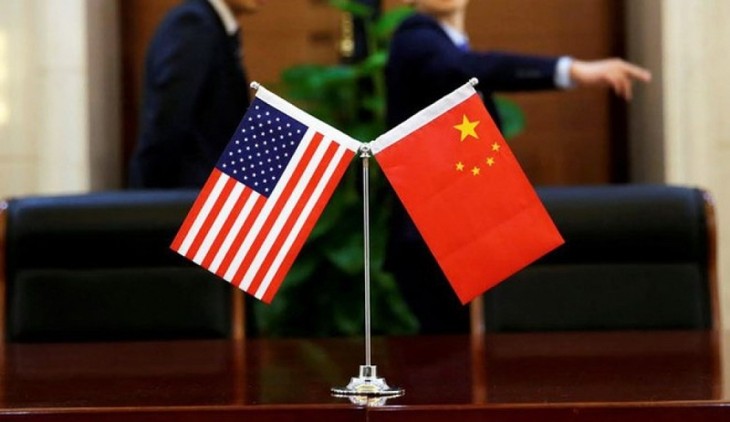
*Reuters | Breaking International News & Views
As we can explain before, the US objective goes beyond merely balancing the trade deficit; it aims to contain China’s technological rise and alter its economic model. As long as the two powers maintain conflicting ambitions in shaping the global economic order, this rivalry will continue and become more multifaceted. Instead of an “end,” we are witnessing the formation of a new “economic cold war.”
References:
(1) US-China trade war clouds global economic outlook as ‘new normal’ emerges | Reuters
(2) Trump slaps China with new 100% tariff, threatens to scrap Xi talks – VnExpress International
 Cashflow Weekly 📚
Leave a comment