Looking back at 2024, one of the most unforgettable moments for me, and for many Vietnamese, was the arrival of the Yagi Typhoon, the third major storm of the year. It wasn’t just another weather event. It was a wake-up call. I remember scrolling through news updates, watching videos of flooded streets, toppled trees, people of my country suffering, and thinking: “This is going to destroy more than homes. It’s going to destroy livelihoods.”
And it did.
The Immediate Shock:
When Yagi made landfall, it disrupted everything. Agriculture, logistics, tourism – sectors that are deeply woven into Vietnam’s economic fabric – were thrown off balance. Crops were destroyed, cattle were killed, houses were all “wiped” away. Farmers faced losses not just in produce but in future income, since Yagi had damaged infrastructure, cutting off supply chains and delaying exports, which means that all of their hard-work throughout the year, were all gone.
Tourism, which had been slowly recovering post-COVID, took a hit too. Coastal destinations saw cancellations, and various local businesses from homestays to seafood restaurants all struggled to stay afloat.
Watching this happen without being able to do anything about it really wrenched my heart.
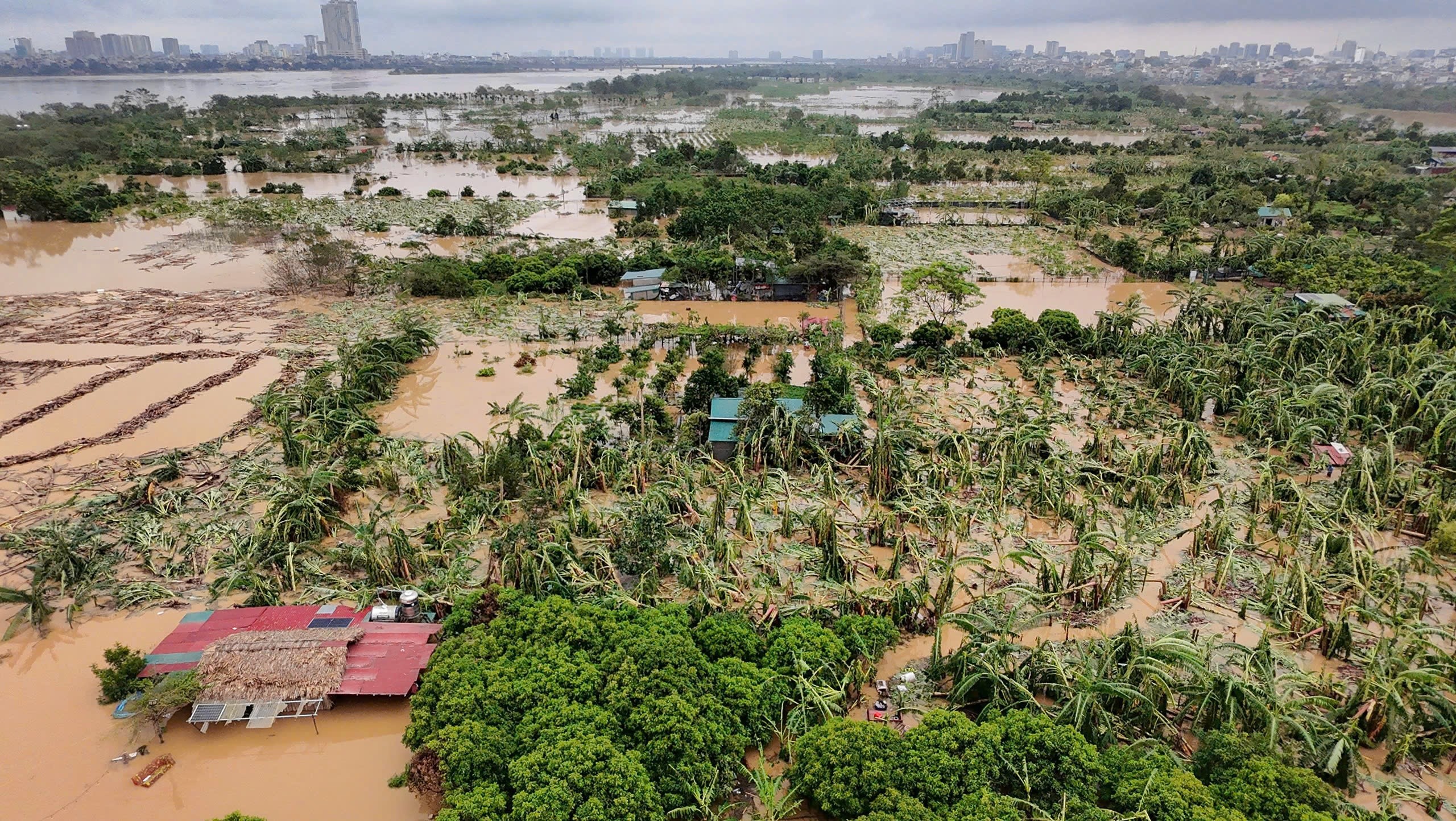
Banana Crops in the river Hong (Ha Noi) were destroyed completely (Photo by Tran Cuong)
Economic Ripples:
The economic impact wasn’t just local. It rippled outward. According to reports, GDP growth projections were revised slightly downward for Q3 and Q4 of 2024. Manufacturing hubs in the south faced raw material shortages due to transport disruptions. Even the stock market reacted with caution, especially in sectors tied to agriculture and logistics.
But here’s the thing: Vietnam didn’t crumble. It adapted.
Turning Crisis into Motivation:
One of the most inspiring outcomes of Yagi was how it pushed both government and businesses to rethink resilience. Authorities accelerated infrastructure upgrades, especially in flood-prone areas. There was renewed interest in climate-adaptive agriculture like switching to flood-resistant rice strains and diversifying crops.
Digital transformation also got a boost. With physical supply chains disrupted, many SMEs turned to e-commerce and digital logistics platforms to stay connected with customers and suppliers. It wasn’t perfect, but it was progress.
I’ve seen many positive articles about how Vietnamese people bounced back immediately after such terrible crisis, that our people are incredibly resilient and will never give up.
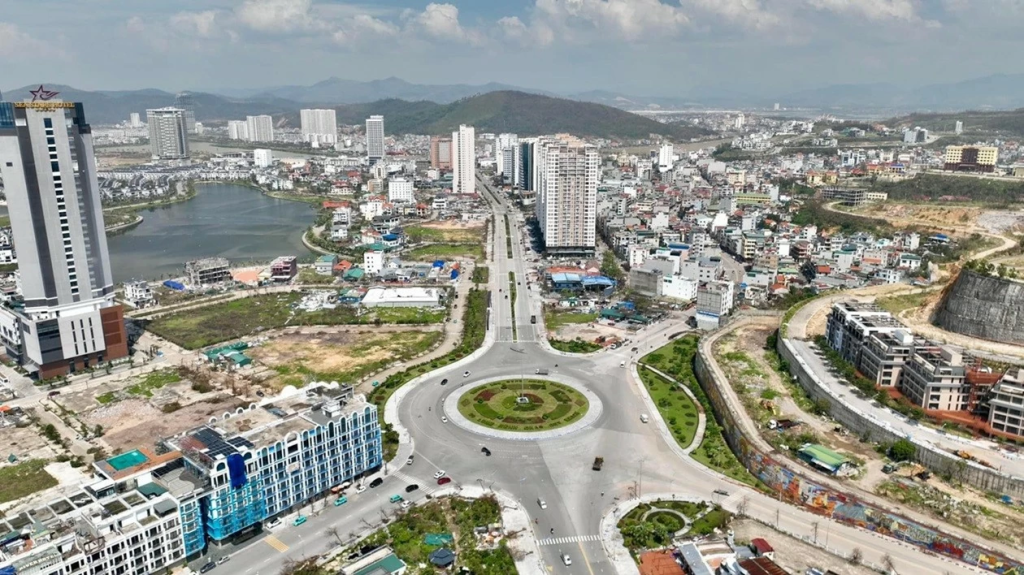
Ha Long City had recovered from the Yagi Typhoon (Photo by Vu Bang)
Lessons for the Future:
Yagi was a harsh challenge for Vietnamese people, but it taught us valuable lessons:
- Climate events are economic events. We can’t separate the two anymore.
- Preparedness matters. Early warning systems, insurance coverage, and infrastructure investment are not optional. They are a must.
- Innovation thrives in adversity. From digital pivots to community-driven solutions, Vietnam showed that creativity can be a survival tool.
So yes, Yagi was destructive. But it also sparked a deeper conversation about sustainability, adaptability, and economic resilience. And in that sense, it left behind more than broken roofs, it left behind a blueprint of a stronger future for Vietnam.
Sources:
Tác động của bão Yagi đến nền kinh tế Việt Nam: Biến khó khăn thành động lực
INSIGHT VIỆT NAM: TÁC ĐỘNG CỦA BÃO YAGI LÊN NỀN KINH TẾ VIỆT NAM
 Cashflow Weekly 📚
Leave a comment