Artificial Intelligence is no longer a futuristic idea. It has moved from labs to daily life, from research papers to boardrooms, and from experiments to real economic impact. Over just a few years, AI has evolved into one of the strongest forces reshaping productivity, industries, business models, and the global workforce.
We are not witnessing a technological upgrade — we are living through an economic transformation.
AI as a Catalyst for Productivity and Innovation
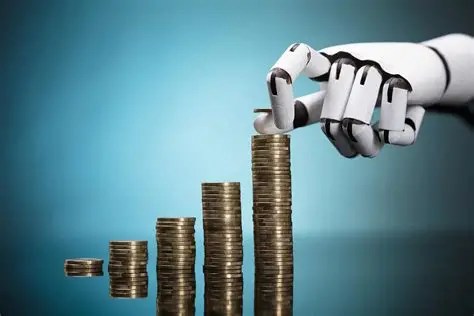
Source: AI (Trí Tuệ Nhân Tạo) Đang Thay Đổi Kinh Tế Thế Giới Thế Nào ?
Across industries, AI is becoming a core tool for boosting productivity and accelerating growth.
- Repetitive tasks such as data processing, report generation, and basic analysis are being automated, freeing human talent for creative or strategic work.
- Companies using AI in marketing, finance, logistics, and customer service report significantly higher output with fewer resources.
- Entirely new industries and business models — from generative AI content services to smart healthcare — are emerging as AI becomes more integrated into the economy.
According to numerous global analyses, AI could contribute trillions of dollars to global GDP over the next decade. This positions AI not as a supporting technology, but as a major economic engine.
A Reshaping of the Job Market: Opportunities and Disruptions
However, alongside growth comes disruption — and the job market is feeling it first.
- Jobs involving repetitive, rule-based, or predictable tasks are the most vulnerable.
- The IMF estimates that up to 40% of jobs globally may be impacted by AI, with advanced economies experiencing the largest shift.
- Workers in data entry, customer service, and basic content production face replacement risks, while highly skilled roles in AI engineering, cybersecurity, data science, and digital products are becoming more valuable than ever.
For developing nations, the threat is lower in the near term — but the pressure to adapt quickly is real. Individuals and economies that fail to reskill risk losing their competitive edge.
AI and Economic Inequality: A Growing Concern
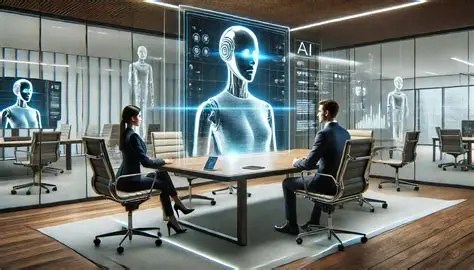
Source: Điều Hướng Thế Giới AI Trong Khi Xây Dựng Các Mối Quan Hệ Kinh Doanh Chân Thực – MyGPT
AI brings enormous potential, but also the possibility of deepening global inequities:
- Countries with strong digital infrastructure and capital resources benefit more quickly than those still developing.
- Large corporations, equipped with vast datasets and high computational power, are likely to dominate AI markets — raising concerns about monopoly power.
- Creative industries face challenges around intellectual property, synthetic content, and fair compensation, as AI makes content production cheaper and faster.
Without thoughtful regulation and coordinated policy, the AI era could widen the gap between countries, companies, and workers.
Opportunities for Emerging Economies — Including Vietnam
For countries like Vietnam, AI presents both a challenge and a gateway to accelerated development.
- Vietnam has growing potential in AI, semiconductors, and digital industries — sectors that could lift the country deeper into global value chains.
- Local businesses adopting AI early gain a competitive edge through automation, smarter decision-making, and better customer experience.
- With the right investment in digital skills, Vietnam’s workforce can transition into higher-value roles — instead of being displaced by automation.
This is a moment where smart national strategies can turn technological shifts into economic breakthroughs.
The Road Ahead: A Balanced Future with AI
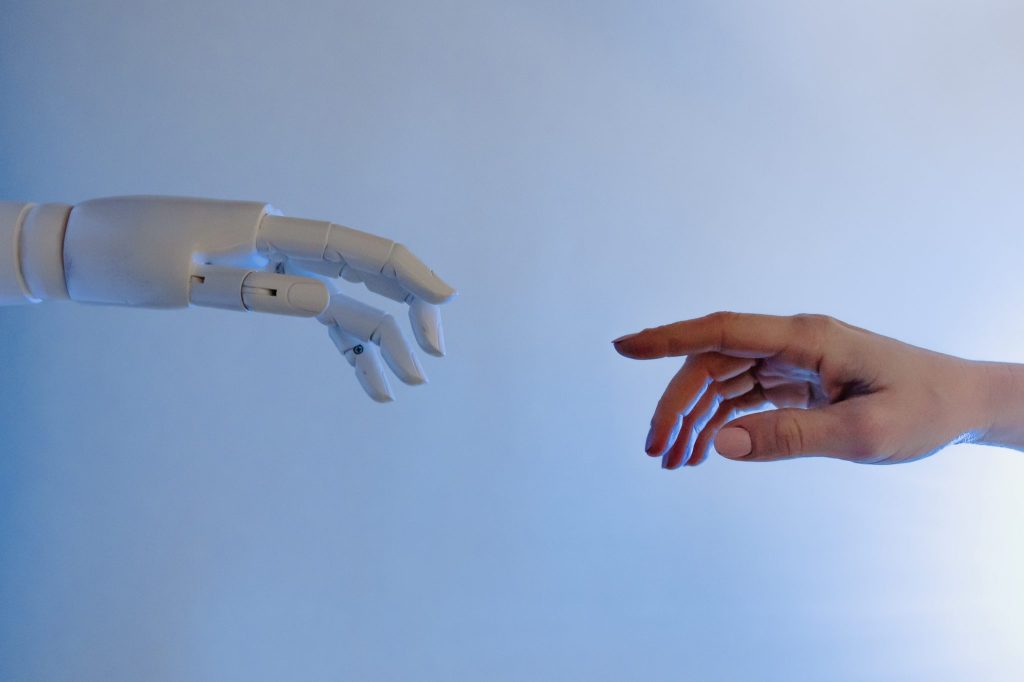
Source: Trí tuệ nhân tạo AI thay đổi nền kinh tế như thế nào? – Harvard Business Review Vietnam
The future shaped by AI will be neither purely utopian nor dystopian — it will depend on the choices societies make today.
If managed well, AI can:
- Boost productivity across every major sector
- Improve healthcare, education, and public services
- Unlock new industries and career paths
- Help economies grow faster and smarter
But if left unchecked, AI may:
- Concentrate wealth into the hands of a few
- Replace vulnerable workers
- Create new forms of inequality and digital divides
The world needs policies that support digital skills training, regulate AI ethics, and ensure fair opportunities for workers and businesses during this transition.
References:
(1) Trí tuệ nhân tạo AI thay đổi nền kinh tế như thế nào? – Harvard Business Review Vietnam
(2) AI gây ảnh hưởng như thế nào tới nền kinh tế?
(3) AI thúc đẩy nền kinh tế Gig: Cơ hội mới cho lao động tự do tại Việt Nam?
 Cashflow Weekly 📚
Leave a comment